

How conferences are evolving in 2026 – and what planners should prioritise to stay ahead
Conferences are firmly back in the corporate calendar, but the environment they are operating in has changed. Budgets remain under scrutiny, attendance is less predictable, and delegates are more selective about where they invest their time. In 2026, simply securing a strong speaker line-up and a central London postcode will not be enough.
The conferences that succeed will be those designed around engagement, flexibility and measurable, lasting impact.
Engagement is the new currency
Delegates no longer attend to sit passively through a sequence of presentations. Information is abundant and accessible online. What they cannot access on demand is the energy, connection and shared experience that comes from in-person events.
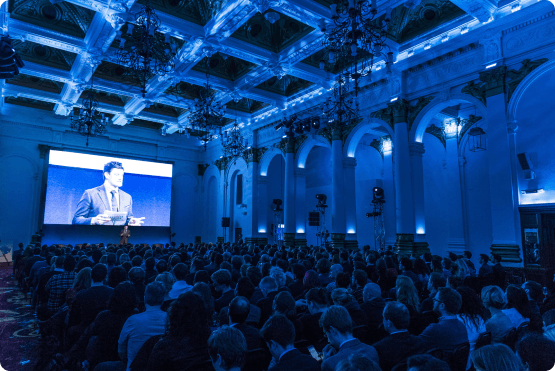
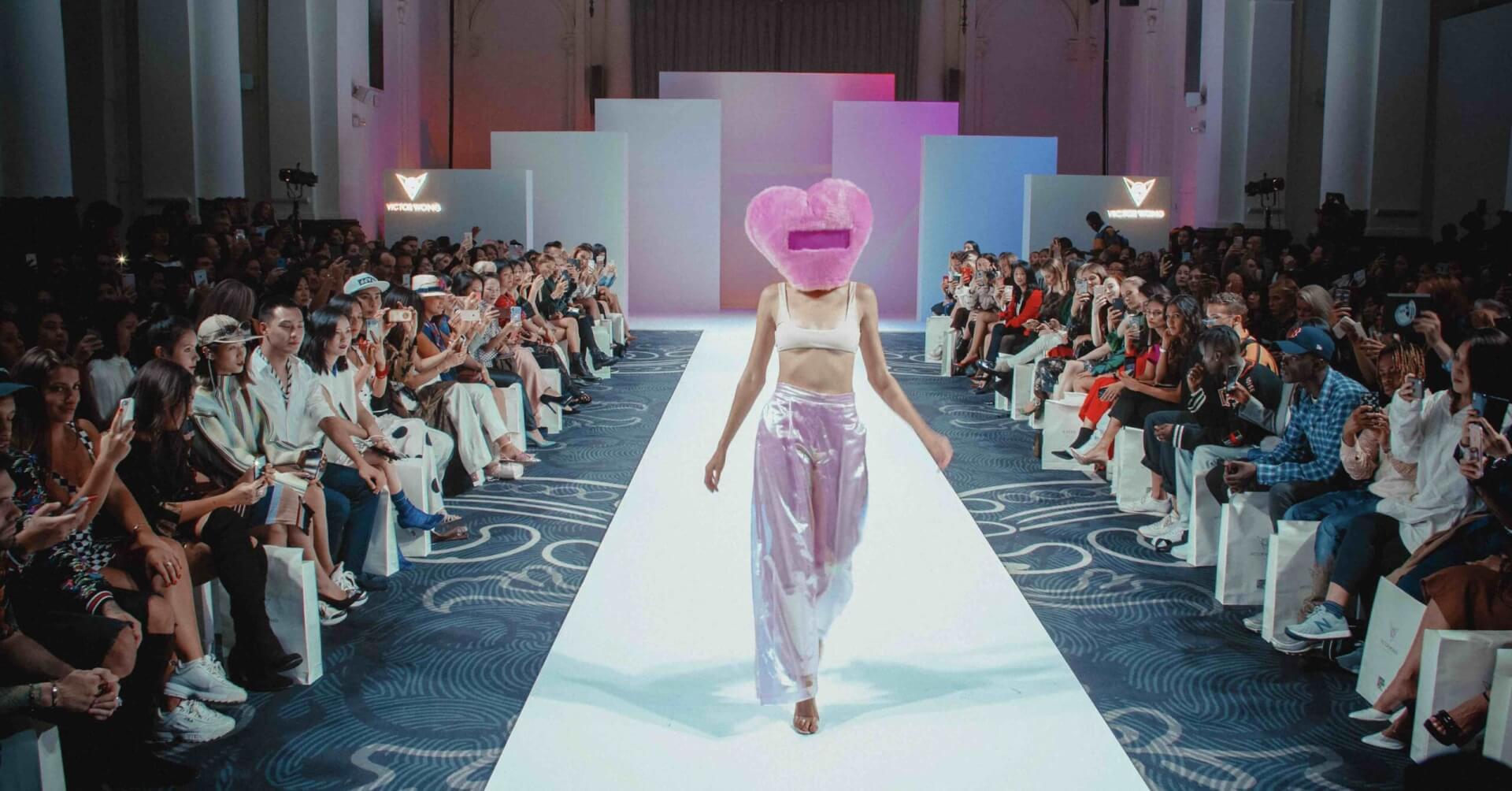
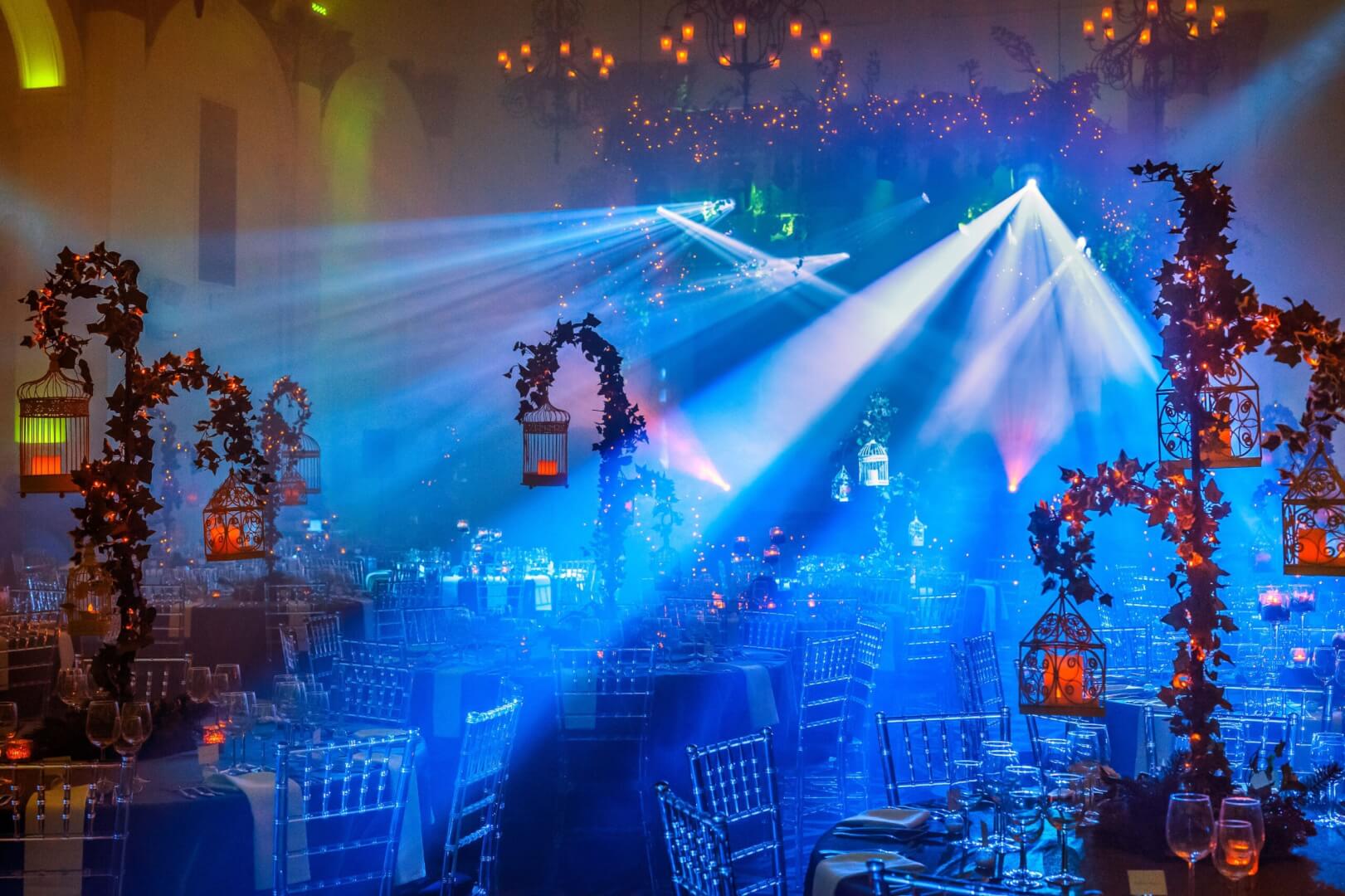
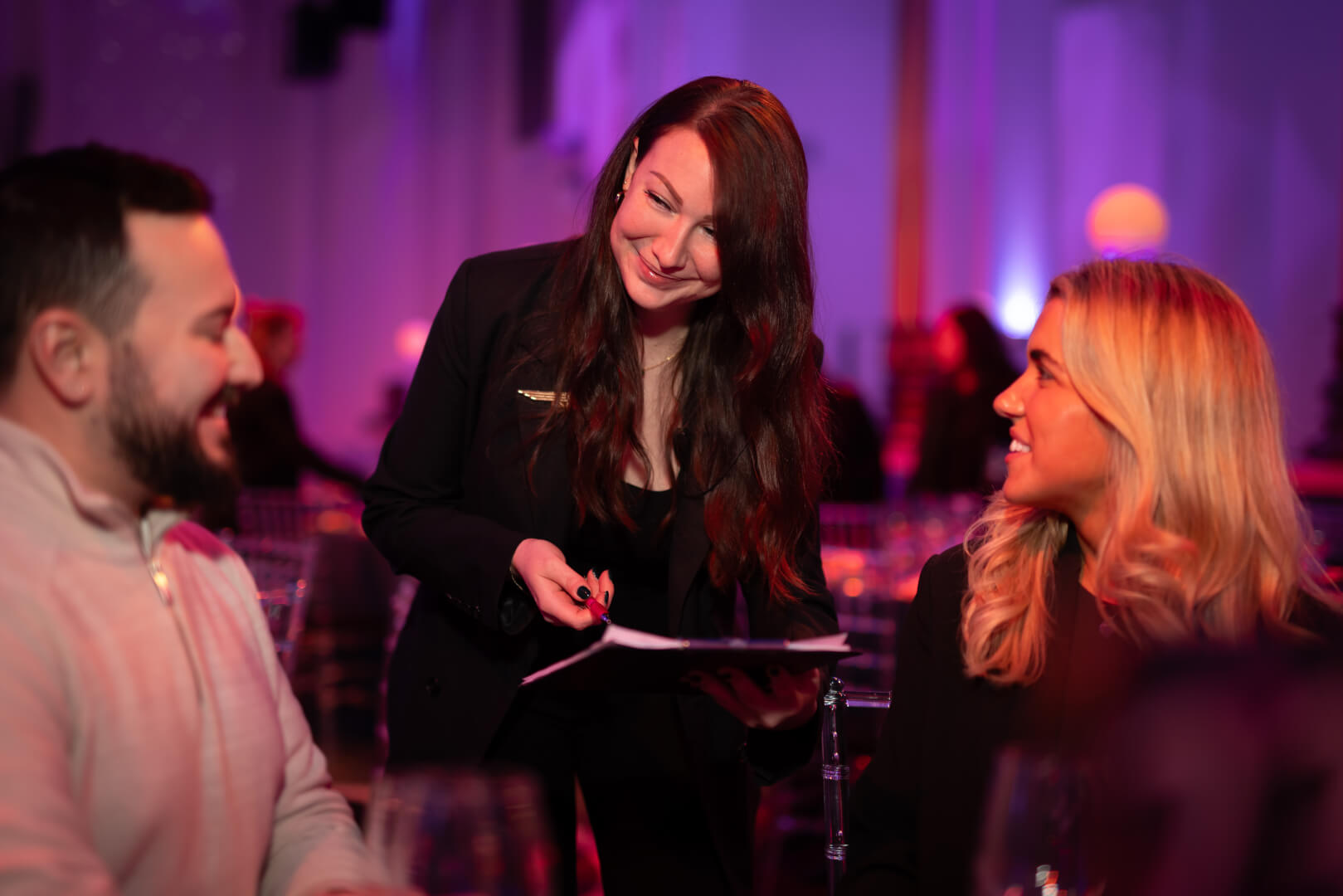
We are seeing a clear shift towards more participatory formats: facilitated discussion, immersive production, collaborative sessions and creative moments that embed the core message into the experience itself. When audiences are invited to contribute rather than consume, attention levels rise and conversations continue beyond the closing session.
In 2026, agenda design is increasingly beginning with a different question: how do we want delegates to experience, remember and act on? The enduring imprint of a conference creates now plays a central role in whether it delivers commercial and cultural value.
Venue expectations have evolved
For planners, venue selection has become more strategic than ever. Fluctuating attendance patterns and rising delivery costs mean committing to a certain size space carries greater risk.
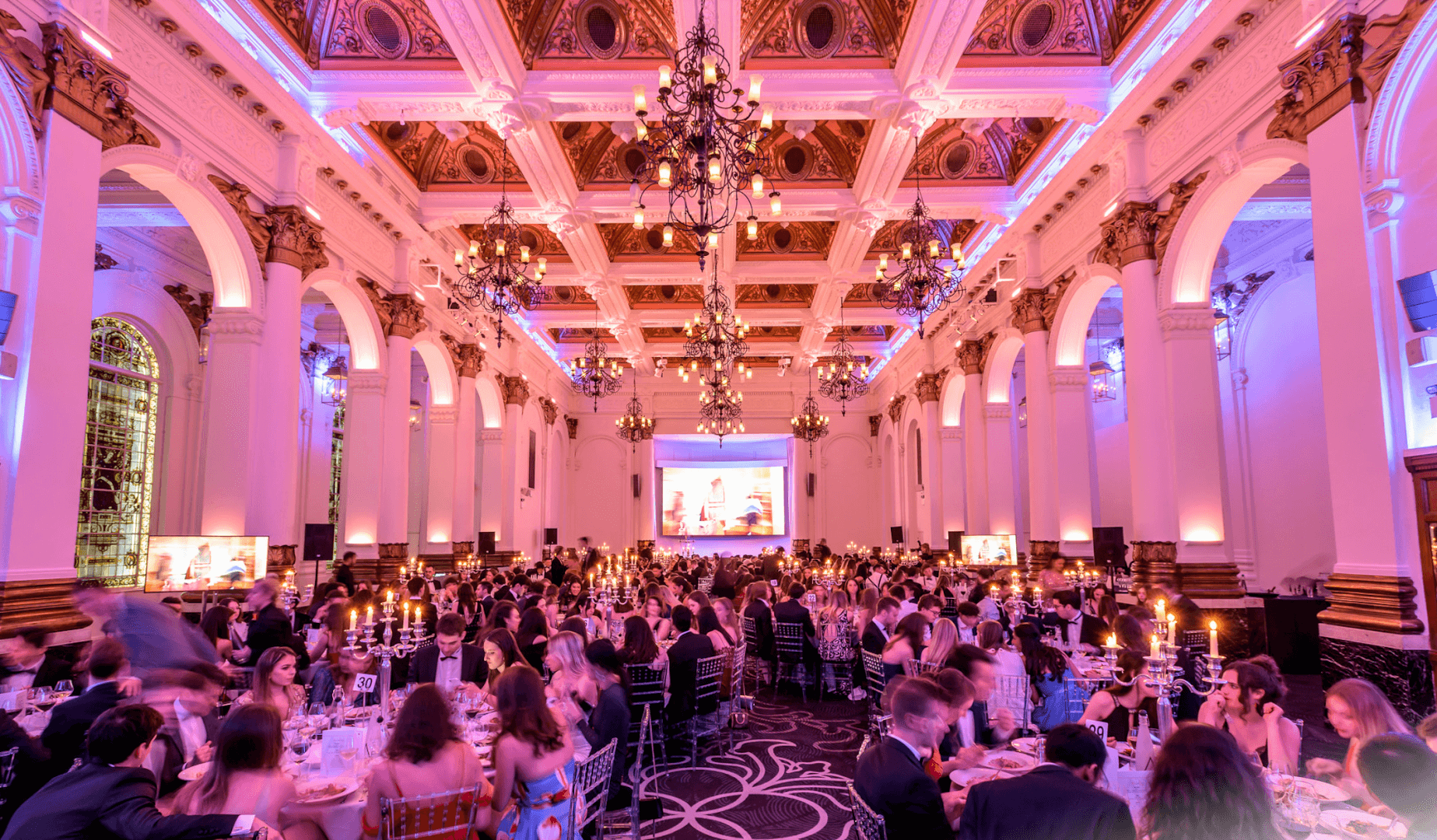
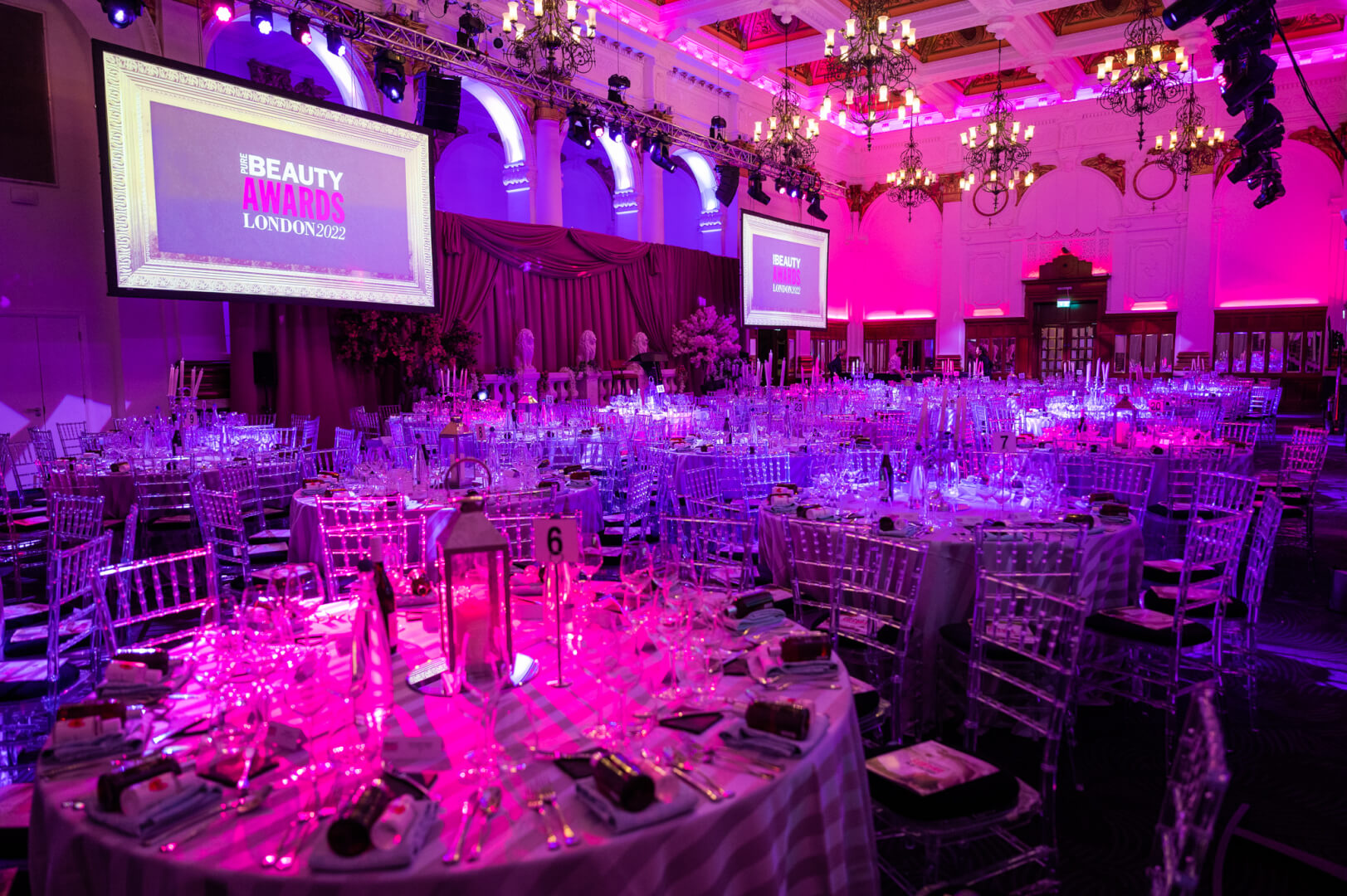
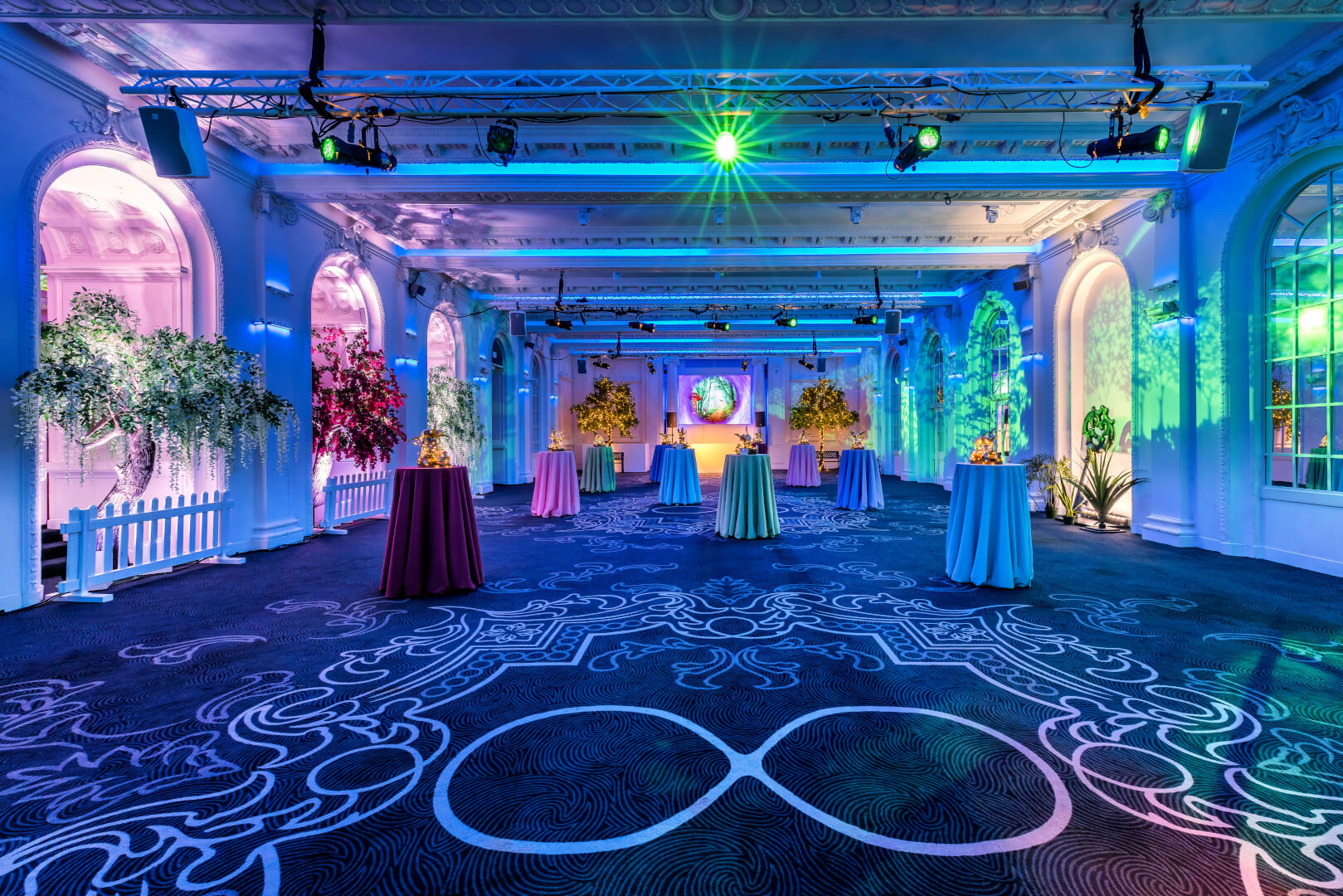
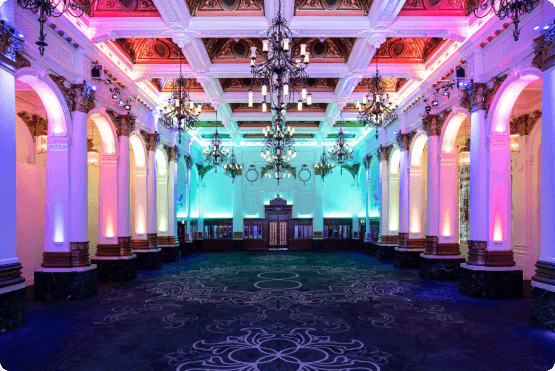
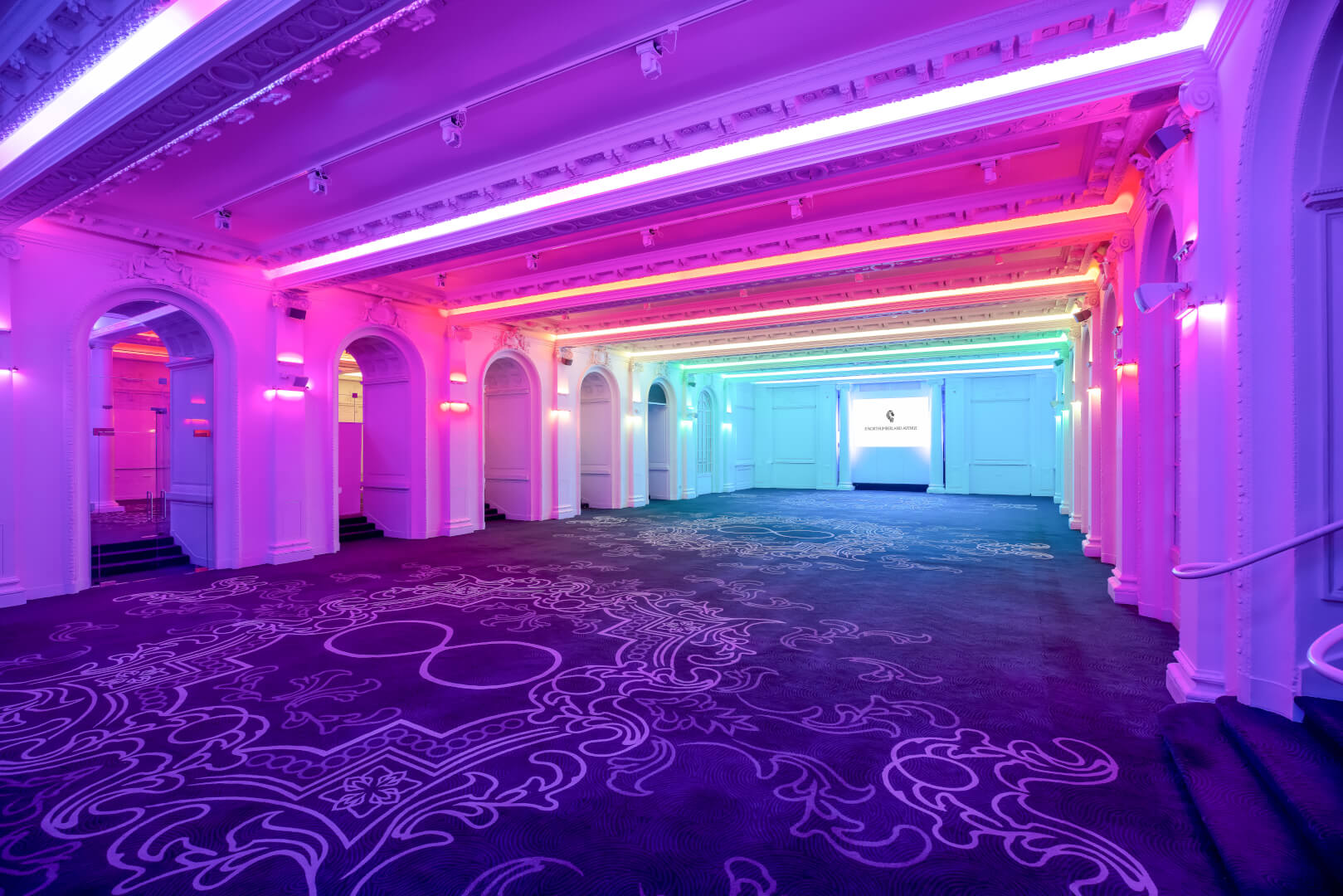
Corporate clients are beginning to prioritise venues that offer greater flexibility in layout, transparent commercial structures and production-ready infrastructure. Adaptable spaces that can scale across different formats reduce stress and protect the integrity of the event if numbers shift, while leaving a lasting impression on attendees.
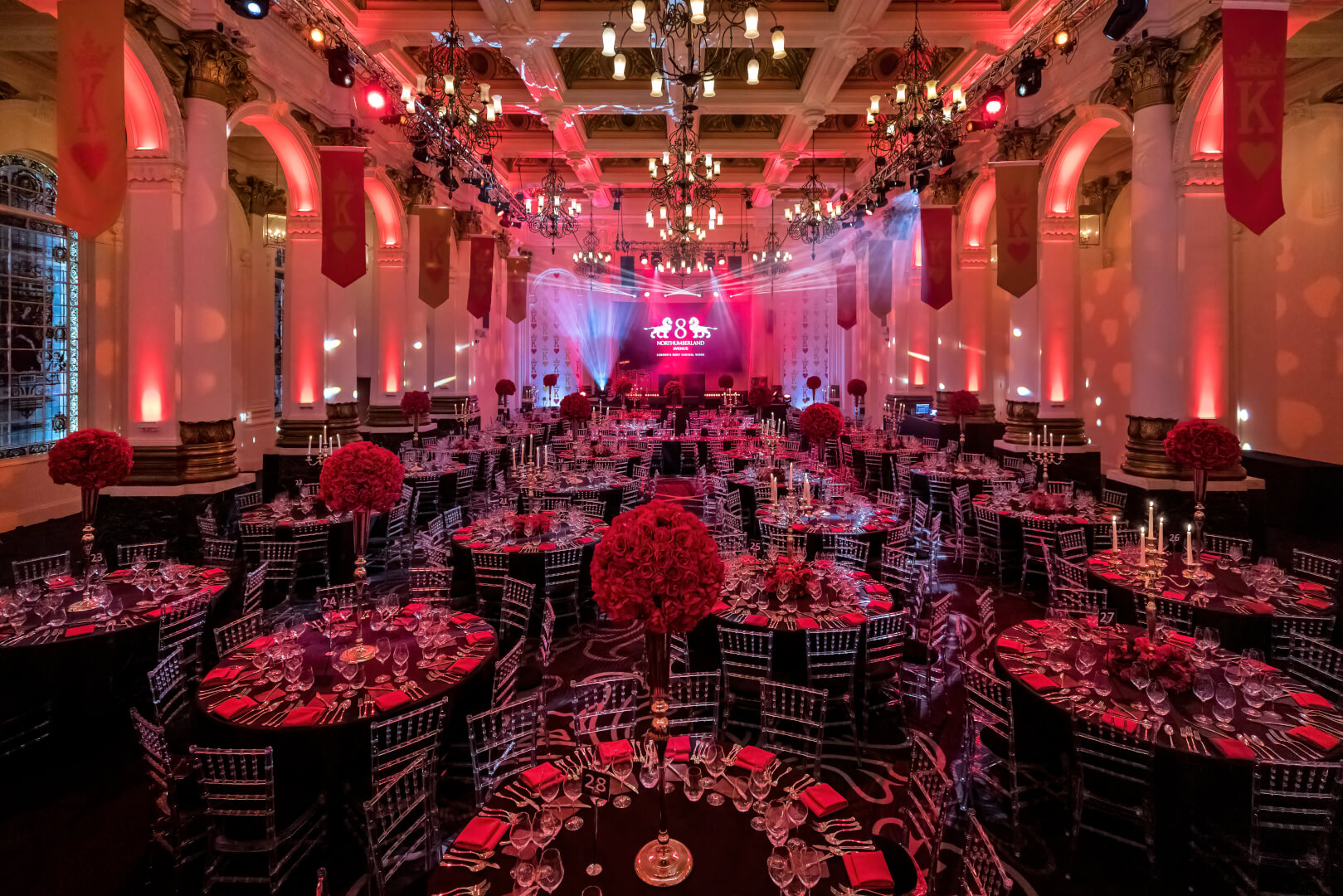
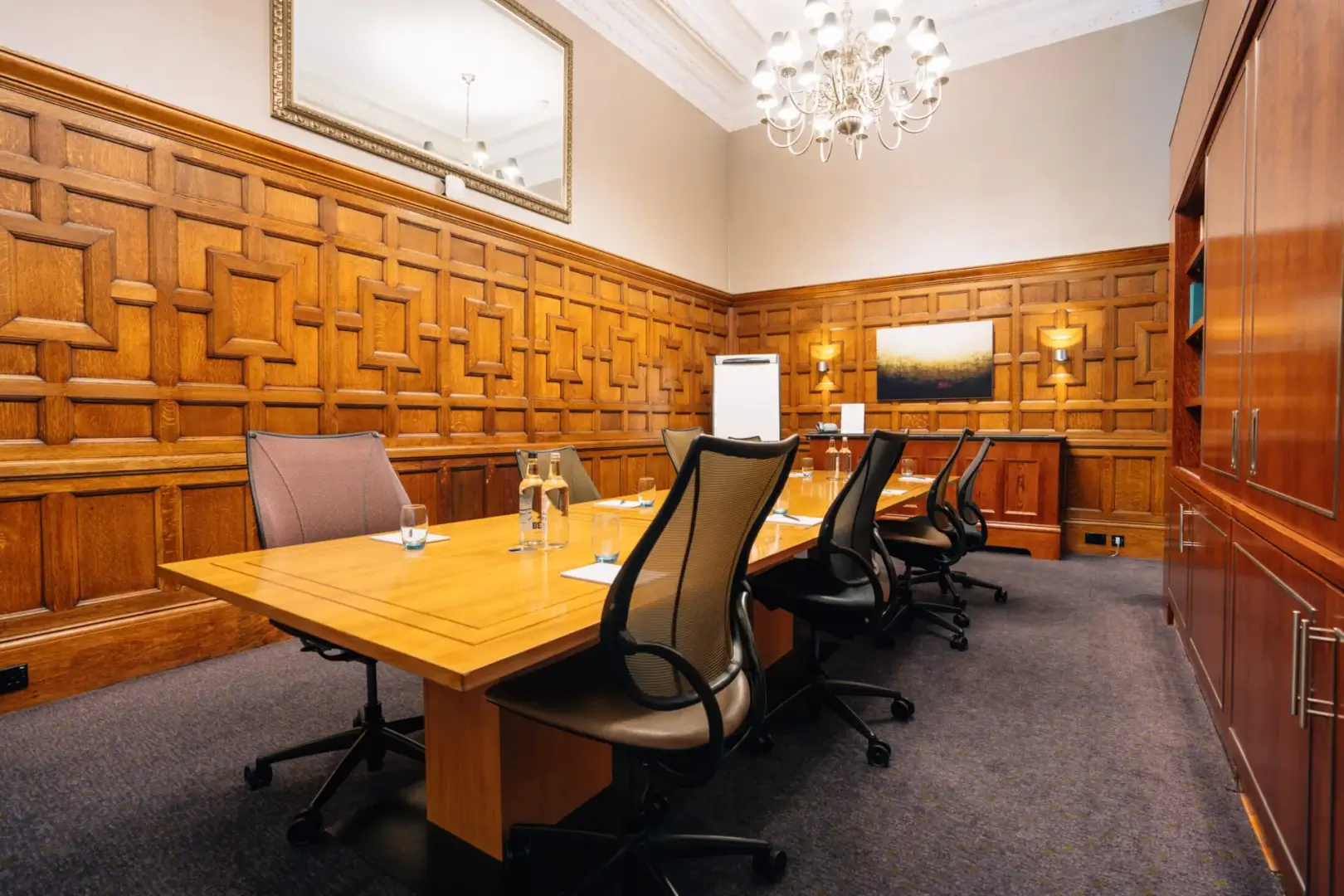
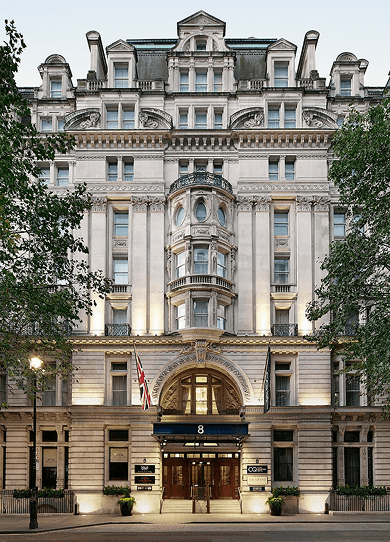
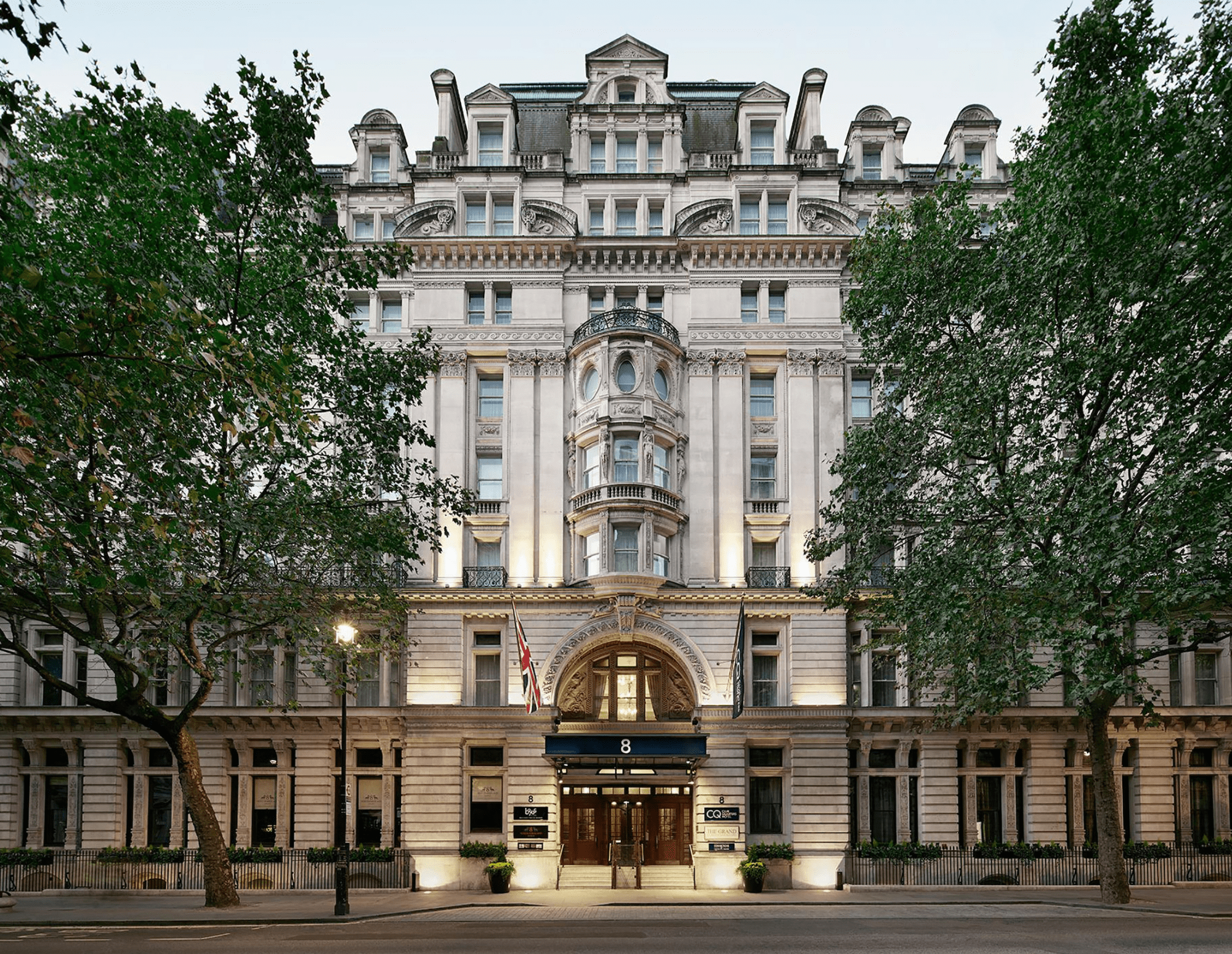
At 8 Northumberland Avenue, we see growing demand for venues that operate as partners rather than solely providers: teams who understand commercial pressures, can anticipate production requirements and support planners in delivering consistency from arrival to closing remarks.
Hospitality beyond the drinks reception
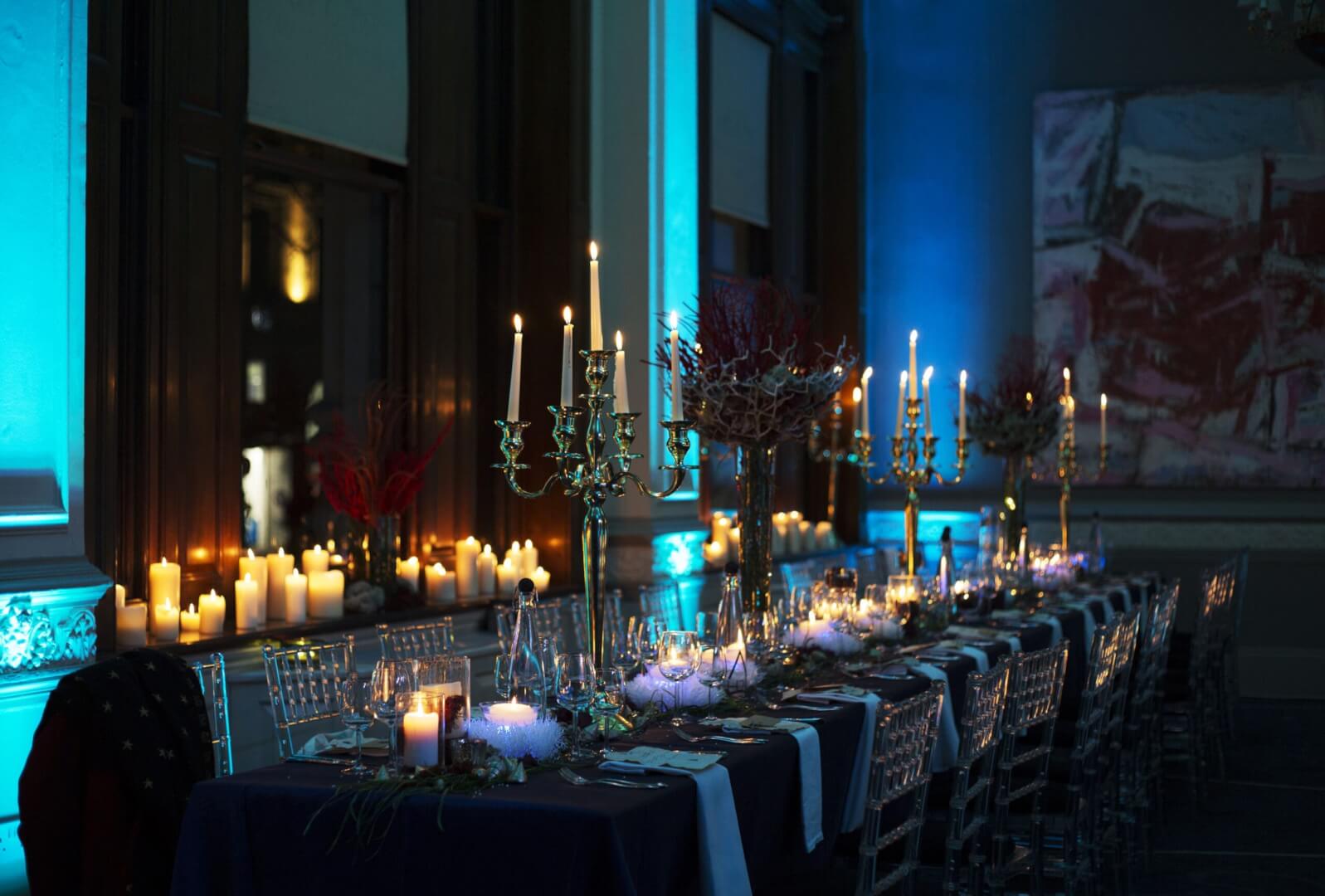
Catering and hospitality trends are also shifting. Alcohol-led networking is no longer the default. Delegates expect thoughtful, inclusive menus that reflect changing tastes and wellbeing priorities. Energy-sustaining catering, considered pacing and social formats that do not rely solely on alcoholic drinks and late nights are becoming standard.
There is also a broader expectation of enrichment. Business events are increasingly influenced by the “bleisure” mindset (business and leisure) where professional development is complemented by meaningful, memorable experiences. Hospitality is no longer an add-on; it is part of the engagement strategy and a contributor to how well key messages are absorbed and remembered.
Production readiness is non-negotiable
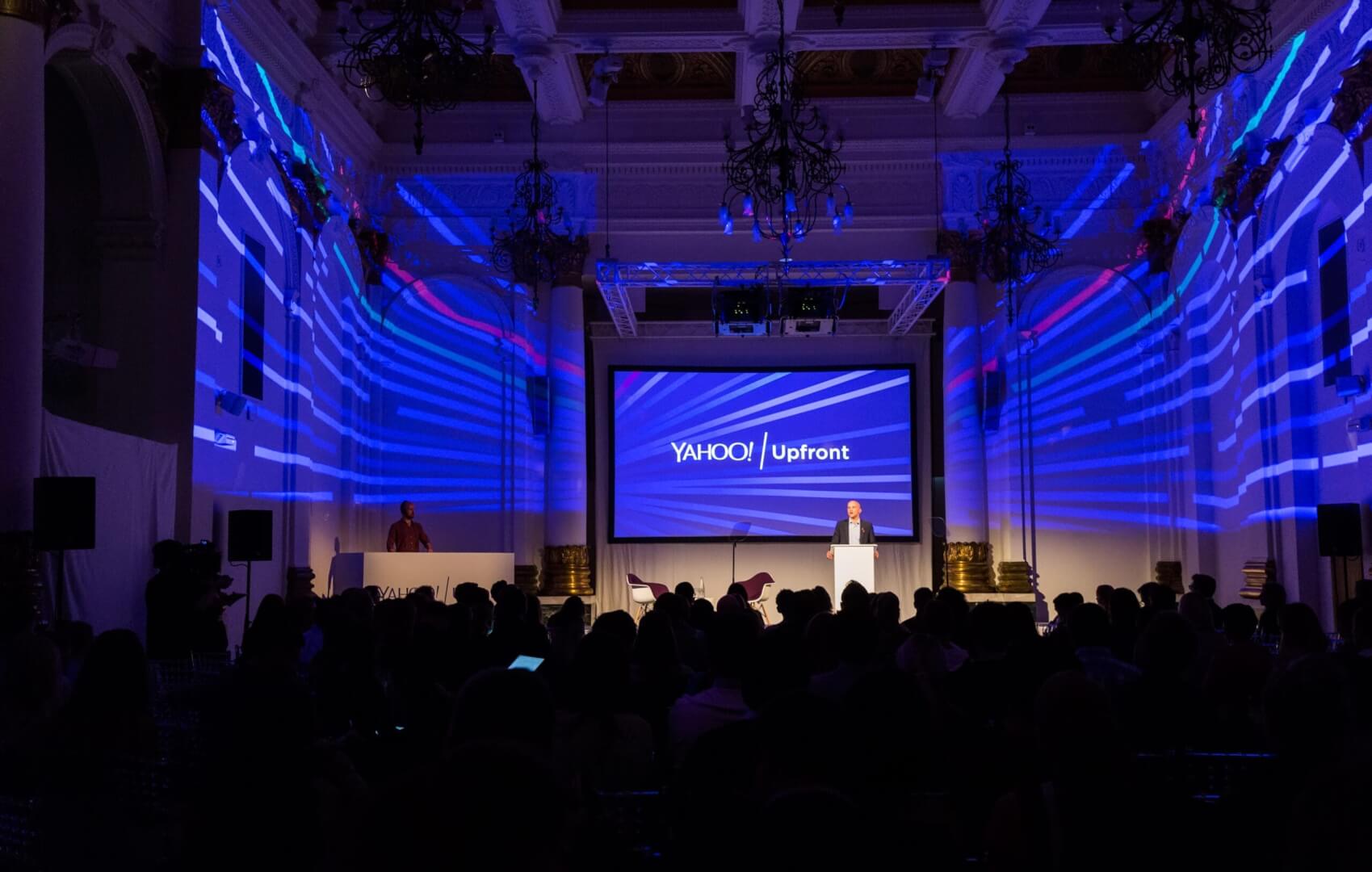
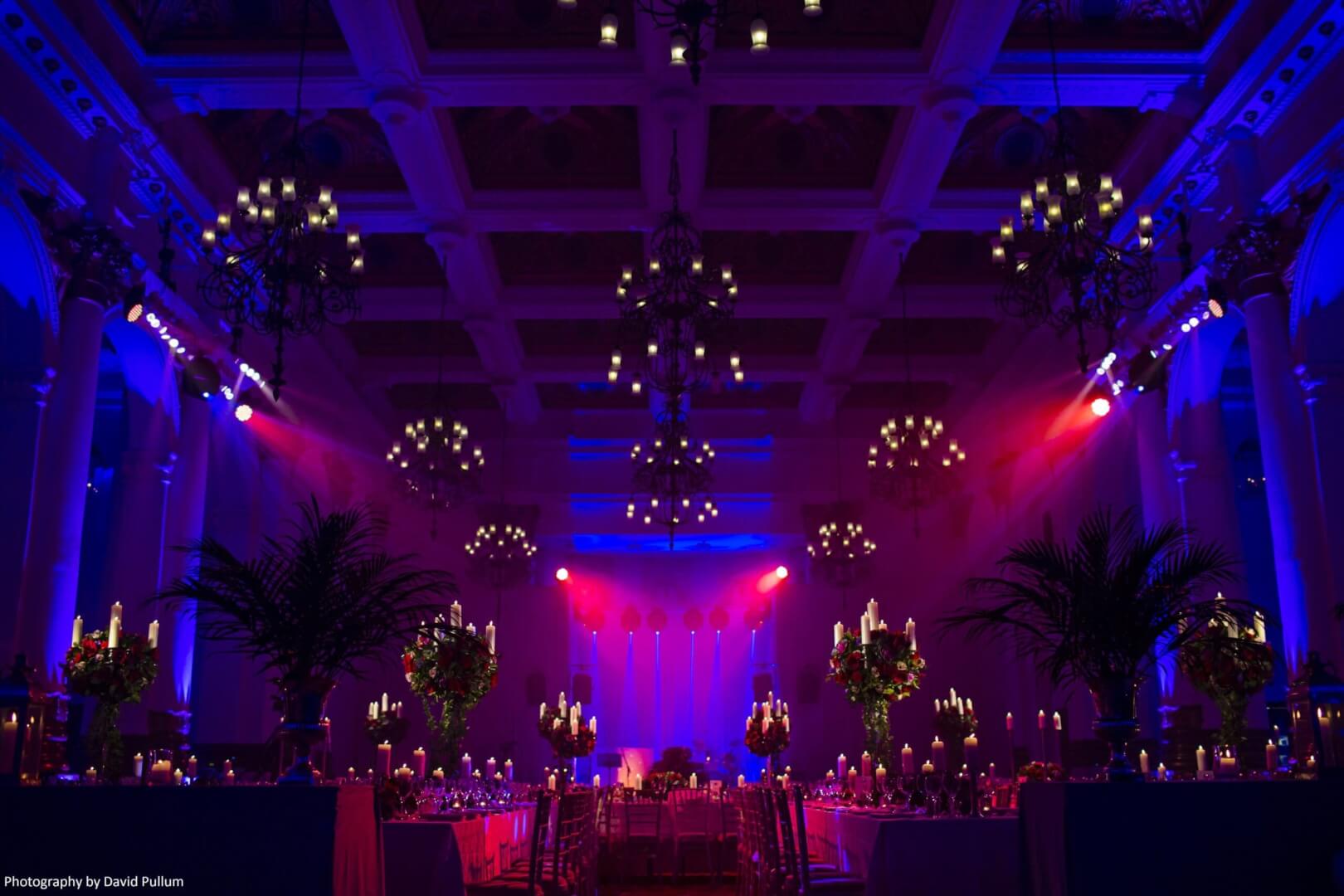
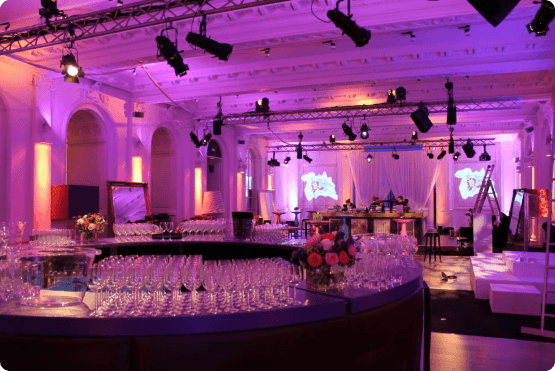
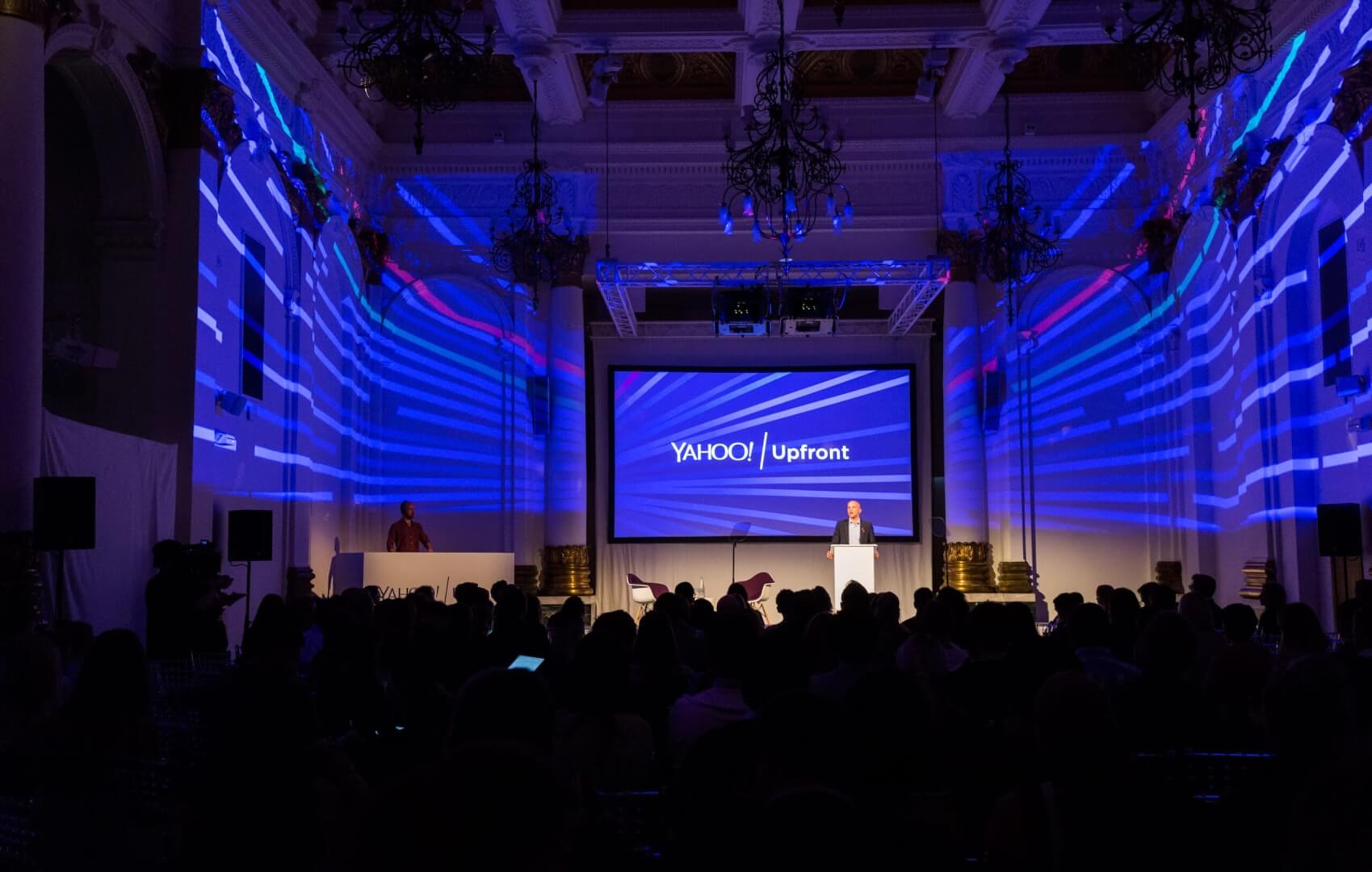
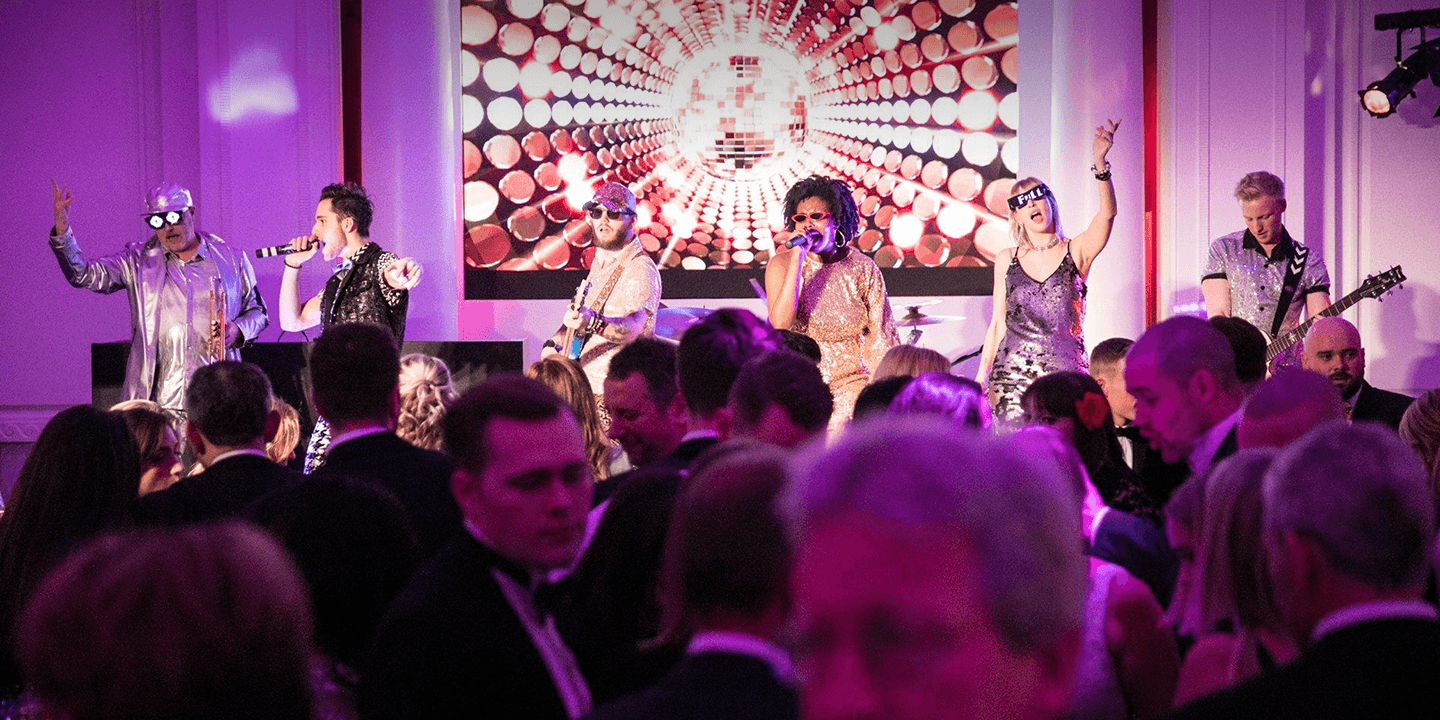
Digital-first audiences have higher expectations of live environments. Seamless AV, integrated lighting, hybrid capability and smooth transitions between formats are now baseline requirements.
Production quality directly shapes perception. Conferences that feel technically confident and visually coherent reinforce credibility and strengthen how the organisation is perceived long after the event concludes. Those that do not risk undermining their own message.
What planners should prioritise in 2026
The year ahead will favour planners who design events with intention. That means aligning conferences to clear business objectives, consolidating budgets across departments to fund fewer, higher-impact events, and measuring success in terms of influence, pipeline and cultural impact rather than simple attendance.
Conferences remain one of the few platforms capable of building trust and relationships at scale. In 2026, the opportunity lies not in doing more events, but in designing better ones: with engagement, flexibility and strategic clarity at the core.
These shifts are shaping the conversations we are having every day at 8 Northumberland Avenue. By aligning space, production and experience around defined business objectives, we help planners design conferences that deliver engagement in the room. Our role is to translate strategic ambition into practical delivery, ensuring the venue, technical capability and delegate journey work together to deliver conferences that connect.